Chimney Repair Seattle WA
If you require fast and professional chimney repair in Seattle, you shouldn't dismiss red flags including damaged brickwork, dampness issues, or smoke entering your living space. Immediate attention stops safety risks and expensive structural issues typical of Seattle's damp weather. Count on certified professionals for complete website evaluation, leak detection, brick repair, and water resistance treatment—all adhering to industry standards and safety standards. Be preventive; periodic assessments and timely maintenance protect your home's efficiency and integrity. Learn vital tips and expert guidance to safeguard your chimney next.
Main Insights
Warning Signs Your Chimney Requires Repair
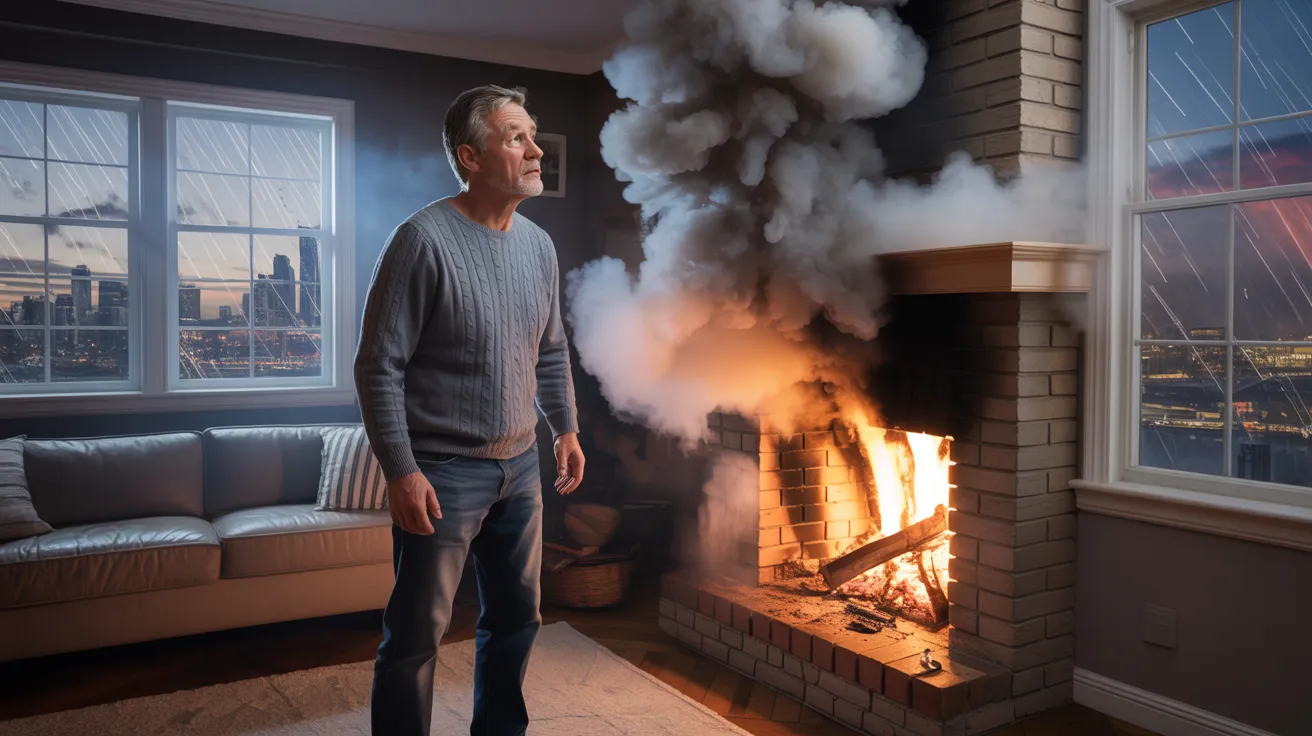
Even though your chimney seems solid from the outside, certain indicators might suggest internal problems impacting safety and function. Be alert for smoke entering your home, as this usually signals a blockage or damage within the chimney flue. Excessive soot accumulation along the flue walls or at the fireplace opening also signals inadequate draft and safety concerns. You might notice a strong, persistent odor—this typically indicates harmful deposits are accumulating, impeding normal ventilation. Crumbling mortar, loose bricks, or visible cracks suggest structural deterioration that may rapidly deteriorate without attention. Through careful observation of these signs, you'll preserve your chimney's safety and reduce the risk of hazardous conditions. Arrange for a professional assessment at the first sign of trouble.
Frequent Chimney Problems Seattle Homeowners Face
In Seattle's humid climate, chimney deterioration often accelerates and presents special maintenance challenges for homeowners. Water penetration causes brick spalling, mortar deterioration, and rust formation on metal components. When regular chimney maintenance is overlooked, soot and creosote accumulate quickly due to the region's frequent rainfall and cool temperatures, raising the threat of obstruction and fire dangers. You may notice efflorescence—white staining—on your chimney, revealing water infiltration. Damaged or missing chimney caps allow rain and debris to enter, further compromising structural integrity.
A comprehensive flue inspection is crucial because continuous moisture breeds mold and weakens the flue liner, posing risks for venting smoke and gases. Tackling these common issues with regular chimney cleaning and thorough flue inspection maintains your Seattle home's chimney safe and efficient.
The Importance of Timely Chimney Repairs
Addressing chimney problems quickly allows you to stop costly structural damage that can compromise your home's integrity. You'll also lower fire risk by removing hazards such as creosote buildup or masonry cracks. Timely repairs guarantee your chimney operates efficiently, improving both indoor comfort and energy consumption.
Avoiding Structural Issues
When water infiltrates into your chimney structure, it hastens the breakdown of bricks, compromises joint integrity, and threatens the chimney's stability. When neglected, tiny fractures widen, allowing more water penetration and leading to major repair expenses or even structural failure. Regular chimney cleaning helps you spot these issues promptly, clearing away debris that can trap moisture against internal surfaces. Examining and servicing your flue lining is critical, as damaged linings leave brickwork vulnerable to corrosive byproducts and more water damage. By acting quickly, you stop freeze-thaw cycles from causing bricks to spall and joint deterioration. Tackling early signs of wear avoids extensive rebuilding later. Prioritize professional assessments to ensure your chimney's integrity, safety, and performance for years. Immediate care preserves your home's structure and security.
Minimizing Fire Hazards
When your chimney shows structural damage, crumbling mortar, or loose bricks, it can quickly become a significant fire hazard. Structural defects and openings allow dangerous heat and embers to seep into nearby flammable materials, raising the likelihood of a house fire. To ensure optimal chimney safety, you need prompt repairs to seal these vulnerabilities and reestablish the chimney's integrity. Addressing damage immediately makes certain that combustible creosote won't build up in concealed areas, further reducing the risk of fire. Furthermore, damaged chimney liners can permit harmful gases to seep into your living space, compounding safety risks. Don't postpone for small issues to worsen; immediate, professional service is vital for proper fire safety and enduring safety in your Seattle home.
Improving Home Efficiency
Even though chimney deterioration often appears minor at first, even small fissures or spaces can substantially affect your home's energy efficiency. When your chimney becomes compromised, conditioned air escapes, forcing your climate control system to work harder. This not merely elevates your utility bills but additionally places excessive strain on your heating and cooling equipment. Prompt chimney repair, along with routine chimney sweeping, guarantees your fireplace performs at maximum efficiency and avoids costly energy waste.
Before proceeding with a fireplace installation, you need to tackle current chimney issues. Damaged masonry or faulty flue liners can significantly impact the performance of modern fireplaces, reducing their cost-saving potential. Through addressing your chimney without delay, you'll preserve a pleasant indoor environment, achieve lower energy costs, and ensure your home's systems operate safely and efficiently.
The Chimney Repair Process Explained
You'll start with an in-depth assessment and inspection to identify potential safety or structural issues in your chimney. After identifying the problems, you can select the most appropriate repair techniques, from stonework renovation to liner system upgrades. All work emphasizes both the integrity and safety of your home.
Inspection and Damage Assessment
The first step involves a complete inspection and damage assessment for a safe and effective chimney repair process. You'll need a qualified professional to inspect your chimney from top to bottom, looking for deterioration, cracks, and loose bricks. Special consideration is given to chimney soot buildup, which can hide serious problems and create fire hazards. The assessment covers examining flue blockages, which could prevent proper ventilation of dangerous fumes and impact your home's air quality. Utilizing advanced technology and cameras, they will evaluate concealed sections, detecting signs of water infiltration, corrosion, or wildlife nests. By documenting all issues of problem areas, you'll gain a clear understanding of areas needing work, ensuring all repairs fix underlying issues—not just surface symptoms.
Guide to Repair Techniques
When the inspection discovers particular problems, the restoration work can begin with specific remedies intended to restore safety and performance. Technicians typically start with thorough soot clearance to eliminate hazardous buildup and improve airflow. When the liner is compromised, they'll recommend replacement or relining options to prevent hazardous emissions from entering your home and to safeguard masonry from heat damage. Compromised brickwork need restoration or rebuilding to maintain the chimney's structural integrity. Water-resistant applications may be applied to prevent future moisture damage. For extensive deterioration, partial or full chimney rebuilds might be needed. Each restoration method strives to address the root causes, ensuring your chimney continues to be safe, functional, and adherent to Seattle's building codes.
Chimney Leak Assessment and Repair Options
Even though chimney leaks frequently go unnoticed until they create visible damage, catching problems early is essential in avoiding expensive structural damage and health hazards. Be alert to telltale indicators like water marks on walls or ceilings near your chimney, damp or musty smells, and rusted firebox parts. Expert chimney leak inspection involves a thorough inspection of the flashing, crown, and cap to identify water infiltration areas. Technicians use specialized tools to assess unseen water damage and structural vulnerabilities. Once found, tested leak repair techniques—like resealing flashing, replacing chimney caps, or applying waterproofing agents—can successfully address the issue. By tackling leaks promptly, you'll safeguard your home from mold growth, compromised masonry, and further moisture problems, ensuring long-term chimney performance and safety.
Masonry Repair and Brick Replacement
If you notice cracked, spalling, or missing bricks on your chimney, immediate repair work is crucial to preserve structural stability and prevent hazardous conditions. Damaged bricks and mortar joints let water seep in, causing accelerated damage and possible structural failure. You need a qualified mason to evaluate the damage level, ensuring that the right masonry restoration techniques are used. During brick replacement, experts methodically extract damaged masonry, select compatible replacements for your chimney, and apply professional-grade mortar for a seamless repair. This detailed process not only improves visual appeal but also prevents further structural issues. Never ignore these problems—fixing issues immediately will extend your chimney's lifespan and protect your property from associated risks.
Expert Chimney Cap and Crown Solutions
Functioning as your chimney's main defenses against water intrusion and animal entry, their condition significantly affects your home's safety and the flue's longevity. When the cap becomes missing, rusted, or damaged, water can seep down the flue, resulting in interior deterioration and likely mold issues. A well-fitted, properly fitted chimney cap also blocks wildlife, refuse, and rodents from obstructing your venting system. The chimney crown protects the top of your masonry, protecting bricks and mortar from weather damage and erosion. Cracks or spalling in the crown enable moisture to infiltrate, compromising structural integrity. Routine checkups and swift fixes of both the chimney cap and chimney crown guarantee you keep a safe, efficient, and durable chimney system.
Finding the Ideal Chimney Maintenance Professional
Selecting a professional chimney repair company calls for careful assessment of credentials, safety procedures, and professional knowledge. You must confirm that the company possesses proper licensing, liability protection, and accreditations from respected industry organizations. Ask about their expertise with both chimney maintenance and complex venting systems to verify they can handle your system's specific needs. Technicians must comply with current safety standards, use protective equipment, and maintain strict protocols to prevent mishaps or fire hazards. Evaluate their track record by verifying testimonials and reading customer feedback centered on dependability and expertise. It's also crucial to ensure that they use industry-approved supplies and techniques for all services. By focusing on these elements, you'll secure your chimney repair project is completed properly, effectively, and to the premium technical specifications.
Preventative Maintenance Tips for Chimneys
Schedule regular chimney inspections to identify safety hazards and structural problems at an early stage. Stop creosote deposits by adhering to proper cleaning intervals and burning only seasoned wood. It's also crucial to implement suitable waterproofing and sealing to safeguard your chimney from Seattle's frequent rain.
Routine Chimney Maintenance
While many property owners tend to ignore it, scheduling regular chimney inspections is crucial for preserving a secure and effective fireplace system. You should have your chimney inspected once every year by a qualified expert who can detect damage, obstructions, or deterioration. Professional evaluations are essential in maintaining chimney safety by uncovering underlying concerns before they become serious. A thorough inspection will further evaluate if your chimney needs cleaning to remove accumulated material or obstacles that could limit proper air circulation. Certified technicians utilize advanced equipment and imaging devices to examine the chimney structure and components, delivering a comprehensive assessment. By scheduling regular evaluations, you'll safeguard your property against risks, increase your chimney's longevity, and maintain optimal fireplace performance.
Preventing Creosote Buildup
Some crucial preventative maintenance measures can considerably reduce the risk of creosote buildup within your chimney. Make sure to burn well-dried hardwood, as it generates less smoke and minimizes residue. Ensure your fireplace damper is opened entirely during operation to enhance airflow, which helps with efficient combustion and decreases creosote formation. Schedule professional chimney inspections at least once a year—creosote removal by a certified technician is crucial to prevent dangerous accumulations. Check your firebox and flue periodically for early signs of buildup, such as dark, tar-like deposits. Tackle these swiftly to avoid a serious fire hazard. Avoid overloading the firebox or burn unapproved materials, as both can speed up creosote buildup. Implementing these steps will help keep your chimney more effective and secure.
Sealing and Waterproofing Services
How does water infiltration seriously impact your chimney's structural integrity? As moisture penetrates your masonry, it can cause serious damage, crumbling bricks, and corroding metal parts. Dampness breaks down mortar connections and creates an ideal environment for freeze-thaw damage, which compromises the entire structure. To prevent these costly issues, focus on effective waterproofing and sealing solutions.
Commence with a detailed examination for cracks or gaps that might permit water penetration. Following this, conduct a premium sealant application specially formulated for chimneys—don't use standard water repellents, as they may trap moisture. Verify the sealant is breathable, permitting the chimney to "breathe" while blocking rain penetration. Periodically reapply sealant every few years to maintain maximum protection. This preventive step extends your chimney's life and keeps your home safe.
Booking Your Chimney Inspection and Maintenance
Before problems worsen or safety risks increase, book a professional chimney inspection and repair service. An expert will thoroughly evaluate the entire system, spotting possible dangers such as venting problems or urgent cleaning requirements. Never postpone these crucial services—creosote accumulation or obstructions may lead to fire risks or lead to harmful carbon monoxide infiltration in your residence.
Make your appointment annually, or when extreme weather occurs, to ensure your chimney's durability and performance. During the evaluation, specialists utilize specialized tools to assess the entire chimney system, providing detailed recommendations for any necessary maintenance work. By maintaining regular maintenance, you'll avoid expensive damage, preserve proper air quality, and keep your heating system operates safely throughout the season.
Frequently Asked Questions
How Much Does Chimney Repair Usually Cost in Seattle?
As you consider chimney repair in Seattle, you can anticipate to pay between $300 for basic maintenance to $3,000 or more for complete overhauls. You'll want to schedule a chimney inspection first—professionals can identify hidden issues and ensure proper function. Chimney cleaning usually ranges from $150–$350 and may reveal maintenance requirements. Make sure to use certified technicians; they'll apply appropriate techniques and supplies to keep your home safe and keep your chimney operating properly.
Are Seattle Chimney Repair Permits Necessary?
Think permits are just for massive buildings? Think again! In Seattle, you'll need a permit for nearly all chimney repairs, particularly those that include structural alterations or masonry work. Regular chimney cleaning and inspection services must follow conformity to local codes to guarantee safety. Always check with Seattle's Department of Construction and Inspections, because skipping permits might result in big headaches, inspection failures, or safety risks for your home and family.
Can You Use Your Fireplace During Ongoing Repairs?
Avoid using your fireplace during ongoing repairs. To maintain fireplace safety, always wait until all repair work is done and thoroughly checked. Using the fireplace during repairs can create risks of structural failures, toxic fumes, or fire risks. Coordinate closely with your contractor concerning repair scheduling and verify when it's safe to restart operation. Making safety the priority allows your fireplace to function properly and safely and safeguards your home and family.
Will Your Homeowners Insurance Pay for Chimney Repairs?
Imagine insurance coverage as being similar to an umbrella—it guards you from unforeseen disasters, but not normal aging. Property insurance may cover chimney repair when damage is caused by a covered peril, such as storm damage or fire. You won't be covered for issues from neglect or normal aging. To initiate the claim process, take detailed photos and notes and reach out to your insurance company immediately. Keep safety first by arranging for a certified professional evaluate your chimney's condition.
How Long Does a Standard Chimney Repair Take?
A typical chimney repair usually takes one to three days, according to the amount of damage discovered during your chimney inspection. If the masonry restoration needed is minimal, you'll see faster results. Complex repairs, like rebuilding sections, could increase the duration. You must focus on safety by scheduling a professional inspection initially, as this guarantees all safety and structural concerns are addressed thoroughly before proceeding with repairs.
Summary
Don't delay until your living room appears like a scene from Seattle's own version of "Old Faithful"—with soot and water spewing from your neglected chimney. The warning signs are there, the hazards are apparent, so grab your phone not a mop. Prioritize safety and efficiency by arranging a professional inspection today. With expert hands and sharp eyes, you can maintain your home dry, your air clean, and avoid turning your chimney into a dangerous situation.